


What is Interreg?
Interreg is a European funding framework for cross-border, transnational, interregional and outermost-region cooperation. Interreg supports organisations that work across regions and want to solve shared challenges through practical cooperation projects.
We support organisations that want to participate in Interreg with programme-fit assessments, partner searches, consortium positioning, proposal writing, and application support.
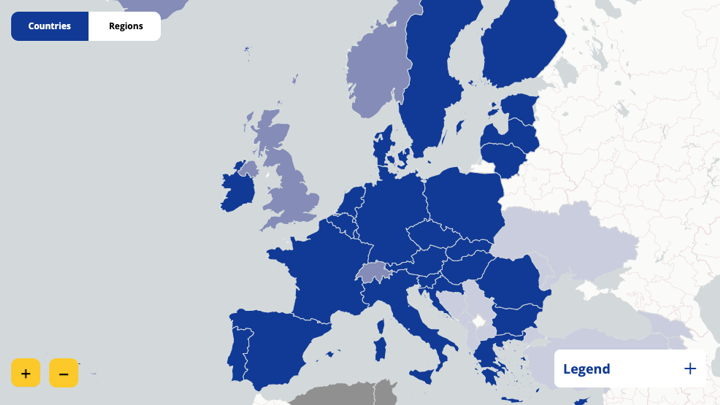
What Interreg supports
When Interreg may be relevant
When to contact Nexuswelt
Interreg is built around cooperation and joint implementation across territories.
Interreg projects typically address shared regional challenges and practical cross-border needs.
The right entry point may depend on geography, cooperation type and thematic priority rather than only on the project topic.
Nexuswelt can help structure the participation logic, partner setup and proposal package.
Programme-fit review and first strategic positioning
You’ll receive detailed performance reports showcasing key metrics such as clicks, impressions, conversions, and cost per acquisition. These insights help you track progress and make informed decisions.
Partner search and consortium support
Proposal writing and application structuring
Hands-on support through the proposal stage
How Nexuswelt helps
Frequently Asked Questions
Interreg is relevant for public authorities, municipalities, universities, research organisations, SMEs, clusters, NGOs, and other organisations that can contribute to cross-border or transnational cooperation projects.
Interreg typically supports projects with clear territorial, regional, environmental, social, innovation, or public-interest relevance that require cooperation between partners from different regions or countries.
Nexuswelt supports Interreg participation through programme-fit review, strand selection, partner search, consortium positioning, proposal support, and clearer structuring of the application and partner roles.
Nexuswelt supports Interreg participation through programme-fit review, strand selection, partner search, consortium positioning, proposal support, and clearer structuring of the application and partner roles.